PIP (Picture-in-Picture)
PIP shrinks video into a small floating window so viewing continues while the person looks at something else — in commerce, it lets shoppers browse products without leaving the broadcast.
Why does commerce need it?
Examining a product means leaving the stream, and leaving ends the viewing. PIP moves the video into a small window so the broadcast survives a trip through product detail, cart, and checkout — turning an exit into a continued session.
How much can you interact with it?
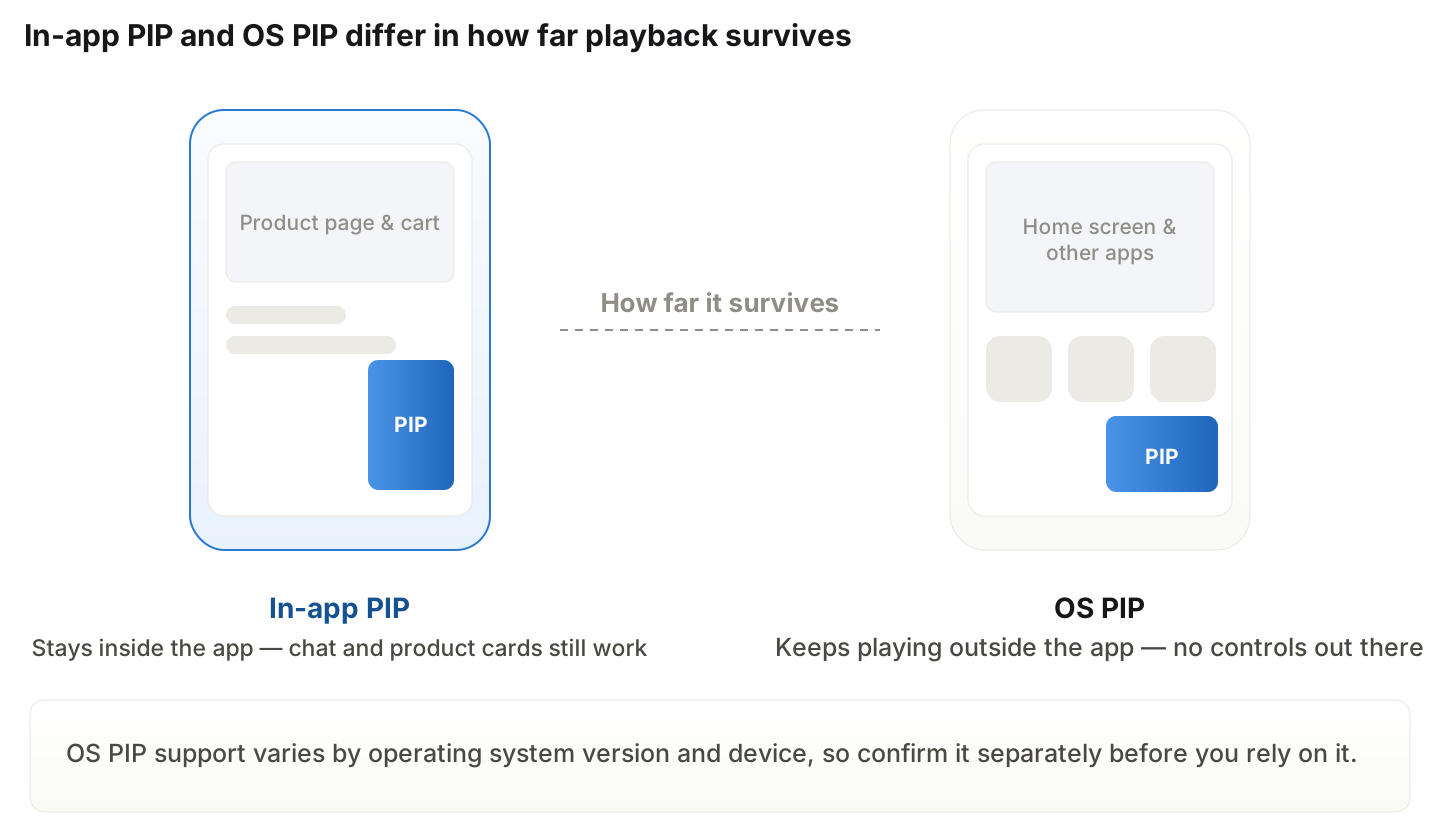
In-app PIP lets viewers move, dismiss, or restore the window while chat and product cards stay on the underlying screen. The critical design decision is where the window sits and how large it is, so it never covers what the shopper came to read.
How do you measure it?
Time spent in the PIP state and the share of sessions that reach checkout after entering it. Read against exit rate, it shows whether the "left to look at the product and never came back" gap actually shrank.
In-app PIP vs. OS-level PIP
In-app PIP | OS-level PIP | |
|---|---|---|
Persists | Inside the app only | Continues outside the app |
Window control | App sets size and position | The OS decides |
Chat and product cards | Operable on the underlying screen | Not operable outside the app |
Availability | Depends on the app | Varies by OS version and device |
Typical use | Browsing products, going to cart | Payment authentication, checking a message |
Frequently Asked Questions
Q. Does PIP work on every device?
In-app PIP generally works wherever the app supports it. OS-level PIP — playback continuing outside the app — depends on operating system version and device, so confirm it separately.
Q. Does audio keep playing in the small window?
By default, yes. But the viewer may be doing something else, so pair it with an easy mute control.
Q. Can you force the PIP window to stay?
Not advisable. Let it appear as a natural response to leaving the video screen, and always leave a way to close it. A window that can't be dismissed increases exits rather than reducing them.
Related terms
Learn more


Last updated